
About
SOC 2 support built from real infrastructure and operations experience.
Founder story
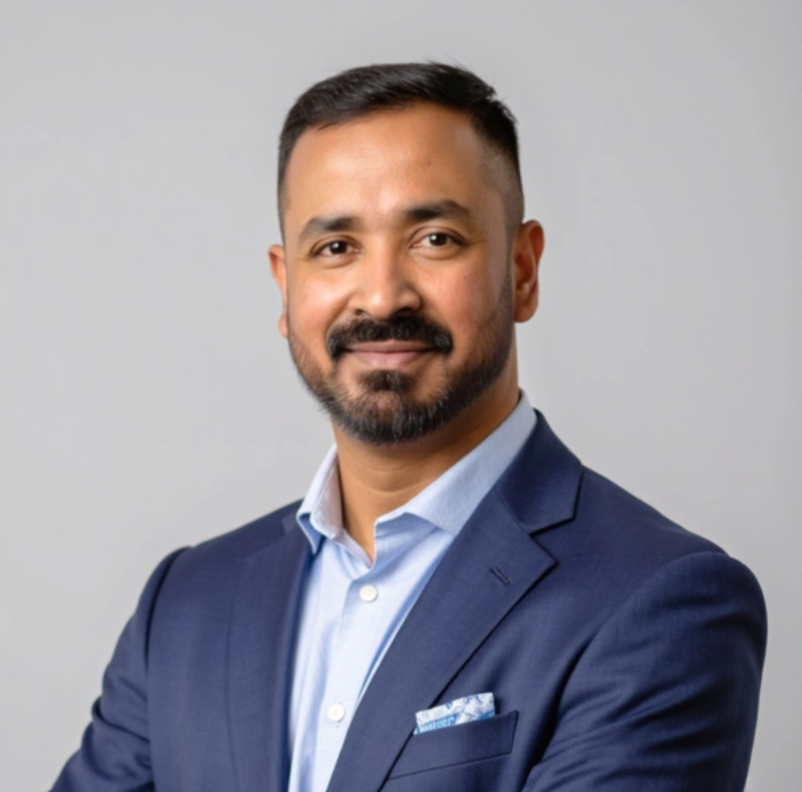
OneHorn was created to help small B2B technology companies solve a specific problem: customers start asking for SOC 2 before the company is large enough to build a dedicated security and compliance department. Founder Pranjit Deka brings nearly two decades of infrastructure, cloud, and technology operations experience, including leading distributed technical teams and working with security controls, risk, business continuity, disaster recovery, and audit-readiness programs. That operating background shapes how OneHorn approaches SOC 2: as a system of controls that must work in practice, not a paperwork exercise.
Philosophy
Why implementation, not just documentation.
SOC 2 readiness can expose gaps in access management, change management, logging, backups, vendor management, incident response, risk management, BCP/DR, and recurring reviews. A checklist can identify those gaps; it cannot close them. OneHorn helps translate the requirement into controls a small team can actually implement, evidence, and maintain.
Delivery model
A delivery model designed for lean technology teams.
You work with one accountable partner across readiness, remediation, audit preparation, and ongoing compliance. The goal is to keep the program proportionate to a small company: clear ownership, practical controls, evidence that matches reality, and fewer handoffs for the founder or engineering team to coordinate.
What we bring
Operational experience behind the compliance work.
Infrastructure & cloud operations
Experience operating enterprise infrastructure and cloud environments where availability, access, change, backup, recovery, and monitoring controls have to work every day.
Security & risk controls
Hands-on work with access management, security hardening, risk registers, incident processes, vendor oversight, and audit evidence.
BCP & disaster recovery
Practical experience designing and improving continuity and recovery processes rather than treating them as policy-only requirements.
Lean-team delivery
A delivery model designed to help small companies make progress without creating an enterprise-sized governance layer.